CTO Perspective – Why Delivering Technolology Isn’t The Hard Part
For a CTO delivering technology isn’t the hard part.
Most organisations, given enough time and budget, will eventually implement systems, platforms, or tools.
Where things fall short is what happens around that delivery — and how consistently it is carried through, how well it holds together over time, and whether the value actually remains intact.
That’s a less visible part of the role, but it’s where most of the work actually sits.
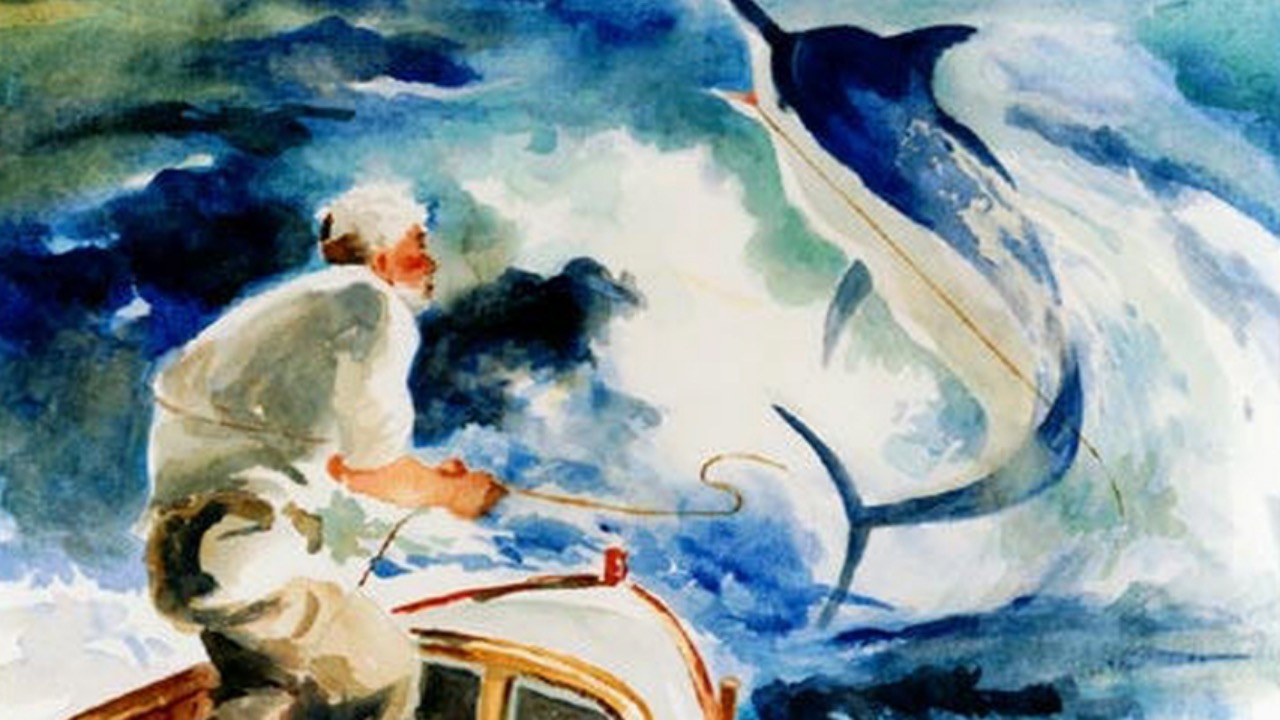
Another way to think about this comes from the Hemingway novel The Old Man and the Sea.
In this novel, a fisherman called Santiago is struggling to catch any fish until one day he ensnares a large marlin. It takes all of his effort and skill with his small boat to get that marlin back to shore over the course of several days. By the time he gets to shore the marlin has been picked at by sharks and other fish, leaving just the marlin’s skeletal remains.
Now, why is any of this relevant in the context of technology leadership?
The CTO is Santiago
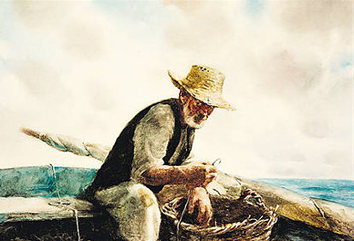
Santiago is experienced, stays calm, and is very deliberate in how he works. He doesn’t overreact. He just focuses on what needs to be done.
The Marlin is Transformation

The marlin represents something substantial — not easy to achieve, but worth doing properly.
In a CTO context, this could be one of several things, such as:
- platform or ERP transformation
- simplifying a fragmented technology landscape
- getting data into a usable, reliable state
- applying AI in a way that actually delivers value
These are not quick wins. They need sequencing, patience, and a level of control that doesn’t always come naturally to some.
Execution Isn’t Linear
The pursuit of the marlin doesn’t go to plan. It took Santiago time. He had to adapt to changing circumstances, and continually adjust his approach, despite his goal being to simply get that Marlin to shore.
And that is exactly how transformation actually works in the real world:
- progress is uneven
- constraints appear late
- priorities move
Strong execution isn’t about speed. It’s about staying on course long enough for the outcome to land properly.
Value Needs to Be Held Together
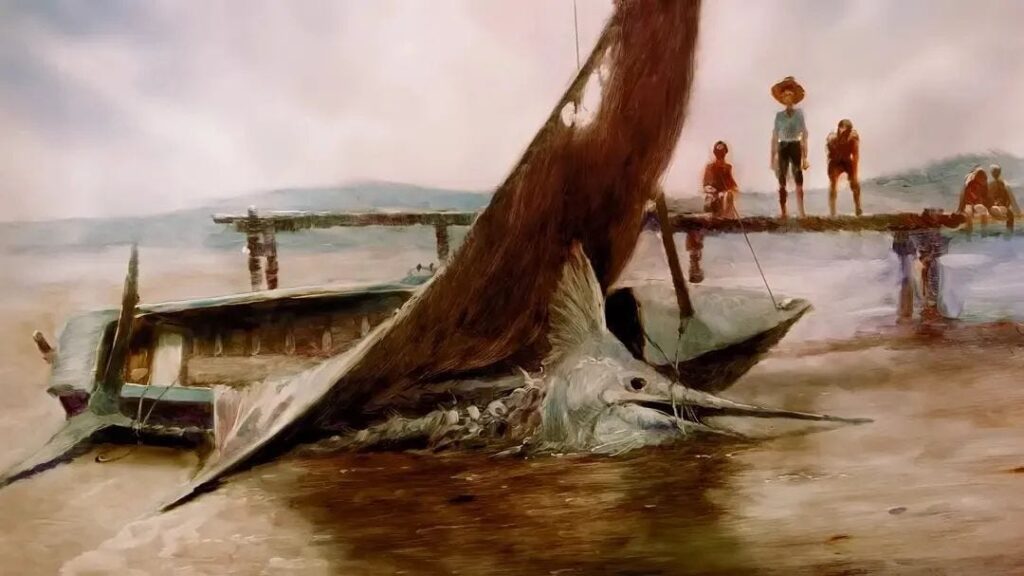
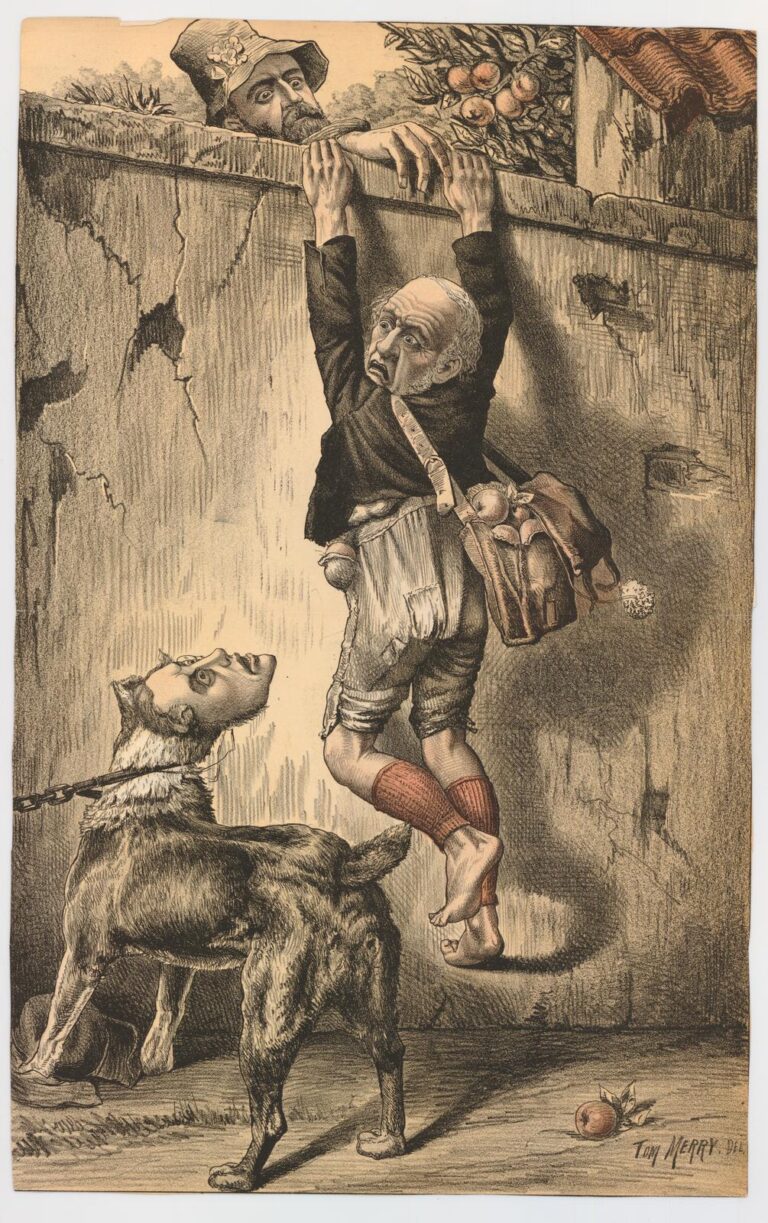
Catching the marlin is only part of it. You have to also get it to shore.
That is why what matters is how much of that value is still there at the end of your digital execution.
In business reality, there are natural pressures that chip away at our outcomes:
- shifting focus
- competing priorities
- gradual loss of discipline
Nothing dramatic. Just gradual erosion. A big part of the CTO role is recognising that early and holding things together.
Perception Is Part of the Outcome
Santiago makes it back, but not with what he originally had. That’s a useful reminder – delivery isn’t complete just because something has been built or implemented.
It also needs to be:
- understood
- visible
- recognised for what it is
Otherwise, the outcome gets undervalued.
Technology is rarely the constraint. Clarity, discipline, and consistency over time tend to matter more. The CTO role becomes less about initiating things and more about finishing them properly.